Overview
The pancreas is a vital organ located behind the stomach, responsible for producing enzymes that aid digestion and hormones like insulin that regulate blood sugar levels. Understanding the causes, symptoms, and risk factors associated with pancreatic issues is crucial for maintaining overall health.
Causes
- Pancreatitis: One of the primary causes of pancreatic issues is pancreatitis, which can be acute or chronic. Acute pancreatitis often results from gallstones or heavy alcohol use, leading to inflammation of the pancreas. Chronic pancreatitis, on the other hand, is characterized by long-term inflammation and may be due to ongoing alcohol abuse, genetic factors, or certain autoimmune conditions.
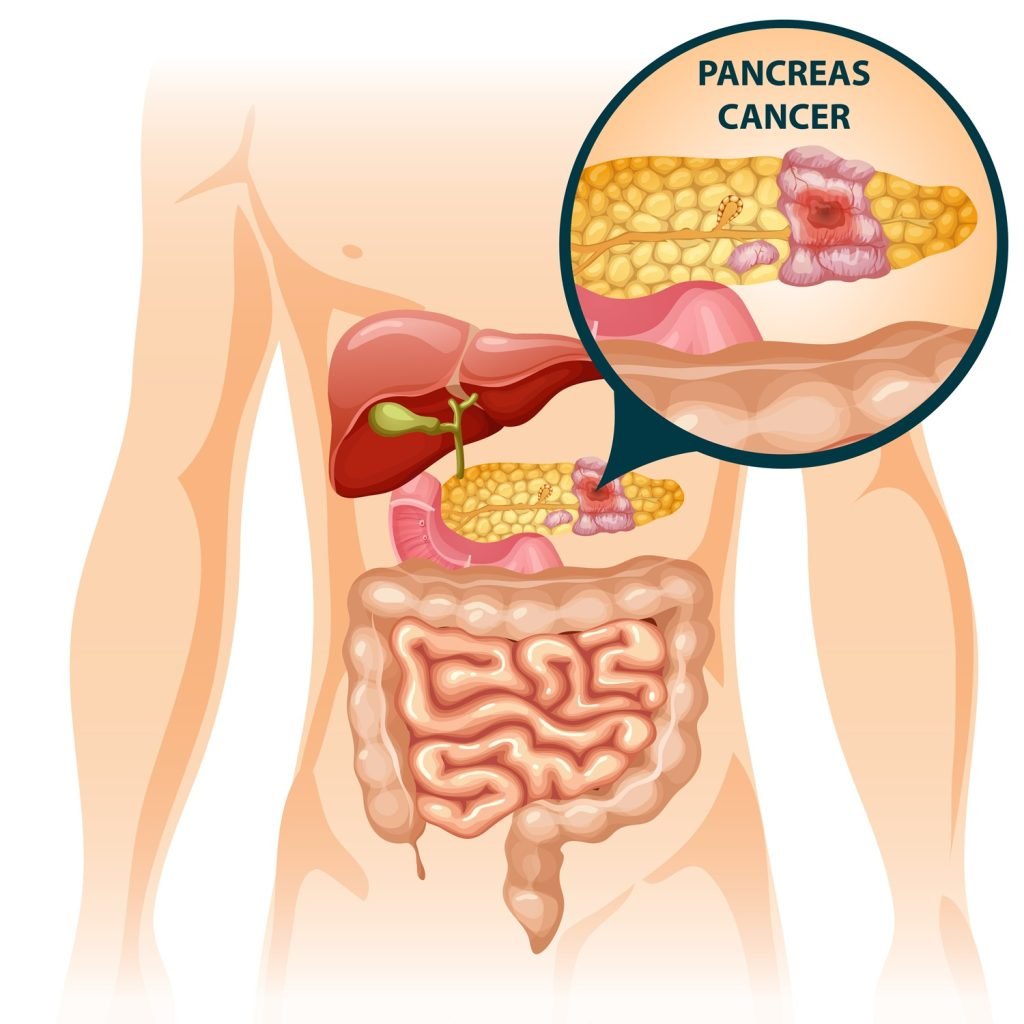
- Pancreatic Cancer: This aggressive form of cancer arises when cells in the pancreas begin to grow uncontrollably. Risk factors include smoking, obesity, family history of pancreatic cancer, and certain genetic syndromes.
- Pancreatic Cysts: These fluid-filled sacs can form within the pancreas due to various reasons, including inflammation, trauma, or even as a result of pancreatic cancer.
Symptoms
- Abdominal Pain: Persistent pain in the upper abdomen that may radiate to the back is a common symptom of pancreatitis and pancreatic cancer.
- Digestive Problems: Pancreatic issues can lead to digestive difficulties such as nausea, vomiting, and diarrhea, especially after eating fatty foods.
- Jaundice: Yellowing of the skin and eyes occurs when pancreatic cancer or other conditions obstruct the bile duct, causing a buildup of bilirubin.
- Unexplained Weight Loss: Significant and unexplained weight loss is often a symptom of pancreatic cancer, as the body loses nutrients due to digestive issues.
- Changes in Blood Sugar Levels: In cases where the pancreas is affected by diseases like pancreatitis or pancreatic cancer, insulin production may be disrupted, leading to diabetes or fluctuations in blood sugar levels.
Risk Factors
- Smoking: Cigarette smoking is a significant risk factor for pancreatic cancer, as it introduces harmful chemicals into the body that can damage pancreatic cells.
- Family History: Individuals with a family history of pancreatic cancer or certain genetic syndromes, such as hereditary pancreatitis or Lynch syndrome, are at higher risk.
- Obesity: Being overweight or obese increases the risk of developing pancreatic cancer and pancreatitis, possibly due to the chronic inflammation associated with excess body fat.
- Chronic Pancreatitis: Persistent inflammation of the pancreas, often due to heavy alcohol use or other causes, increases the risk of developing pancreatic cancer over time.
- Age: The risk of pancreatic cancer and other pancreatic disorders increases with age, with most cases diagnosed in individuals over the age of 60.
Understanding these causes, symptoms, and risk factors associated with pancreatic issues can aid in early detection and prompt medical intervention. Regular health screenings, maintaining a healthy lifestyle, and avoiding known risk factors like smoking can contribute to better pancreatic health and overall well-being. Prompt consultation with healthcare professionals is essential if experiencing any symptoms or concerns related to pancreatic health.