Understanding Ovarian Cancer
Ovarian cancer surgery is a critical component in the treatment of ovarian cancer, aimed at removing as much of the cancer as possible. The type of surgery performed depends on the stage of the cancer, the patient’s overall health, and personal preferences. This guide provides an overview of the common surgical options and what patients can expect.
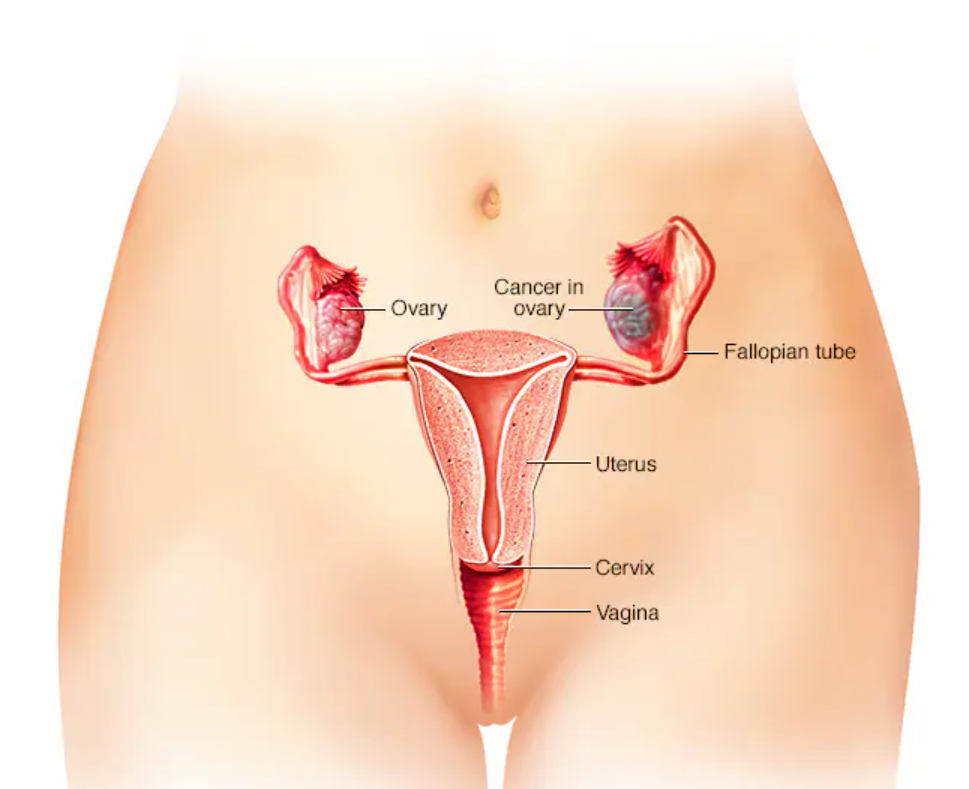
Types of Ovarian Cancer Surgery
1. Exploratory Laparotomy:
An exploratory laparotomy involves making a large incision in the abdomen to examine the abdominal organs and determine the extent of the cancer. This procedure is often the first step in treating ovarian cancer, allowing the surgeon to stage the cancer and perform necessary removals.
2. Total Hysterectomy:
In a total hysterectomy, the uterus and cervix are removed. When combined with the removal of both ovaries and fallopian tubes, it is called a bilateral salpingo-oophorectomy. This procedure is standard for treating ovarian cancer, especially if the cancer has spread to these organs.
3. Debulking Surgery:
Debulking surgery aims to remove as much of the tumor as possible. If the cancer has spread within the abdomen, reducing the tumor size can improve the effectiveness of other treatments like chemotherapy. In some cases, neoadjuvant chemotherapy (chemotherapy given before surgery) may be used to shrink the tumors, making them easier to remove.
4. Lymph Node Dissection:
This surgery involves removing lymph nodes in the pelvis and abdomen to check for cancer spread. It helps in accurate staging and can impact the treatment plan.
5. Omentectomy:
The omentum, a layer of fatty tissue covering the abdominal organs, is often removed if cancer has spread there. This procedure is common during debulking surgery.
Considerations for Surgery
Stage of Cancer: The extent of the surgery depends significantly on the stage of the cancer. Early-stage cancers might only require removal of the ovaries and fallopian tubes, while advanced stages might necessitate more extensive procedures.
Patient’s Health: The patient’s overall health and ability to withstand surgery are crucial factors. Pre-surgical assessments help determine the safest approach.
Fertility Preservation: For younger women with early-stage cancer who wish to preserve fertility, less extensive surgery may be an option. This can involve removing only one ovary and fallopian tube.
Recovery and Follow-Up
Recovery times vary based on the extent of the surgery. Hospital stays can range from a few days to a week. Post-surgery, patients might experience pain, fatigue, and need time to regain normal activities. Regular follow-up appointments are essential to monitor recovery and check for cancer recurrence.
Advances in Ovarian Cancer Surgery
Minimally Invasive Techniques: Laparoscopic surgery involves smaller incisions and typically leads to quicker recovery times and less post-operative pain.
Robotic-Assisted Surgery: This approach provides greater precision and flexibility, potentially improving outcomes.
Emotional and Psychological Support
Ovarian cancer surgery can be emotionally challenging. Support groups, counseling, and patient education can provide crucial emotional support and help patients navigate their treatment journey.
Ovarian cancer surgery is a pivotal step in treatment, offering hope and a path to recovery. Consulting with healthcare professionals ensures that patients receive personalized care tailored to their specific needs.