ICG (Indocyanine Green) guided cancer surgery is a cutting-edge technique that utilizes fluorescent imaging to improve the accuracy and effectiveness of cancer surgery. This innovative approach enhances a surgeon’s ability to precisely identify and remove cancerous tissue while minimizing damage to healthy surrounding tissue. Understanding the causes, benefits, and considerations of ICG guided cancer surgery is essential for patients considering this advanced treatment option.
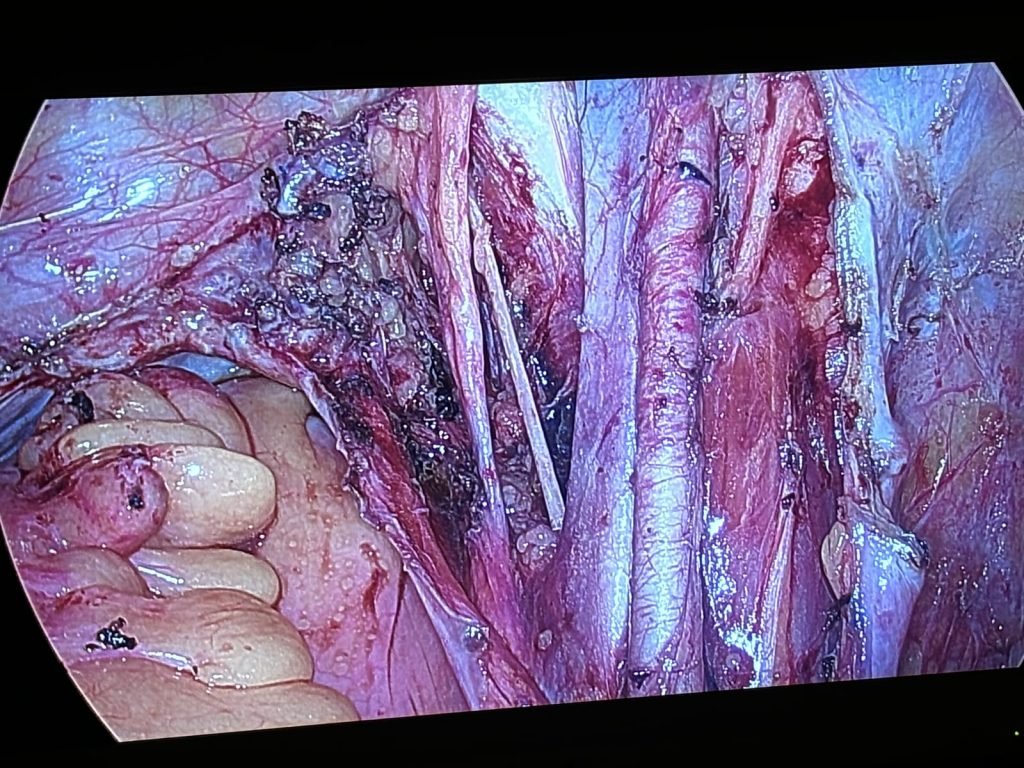
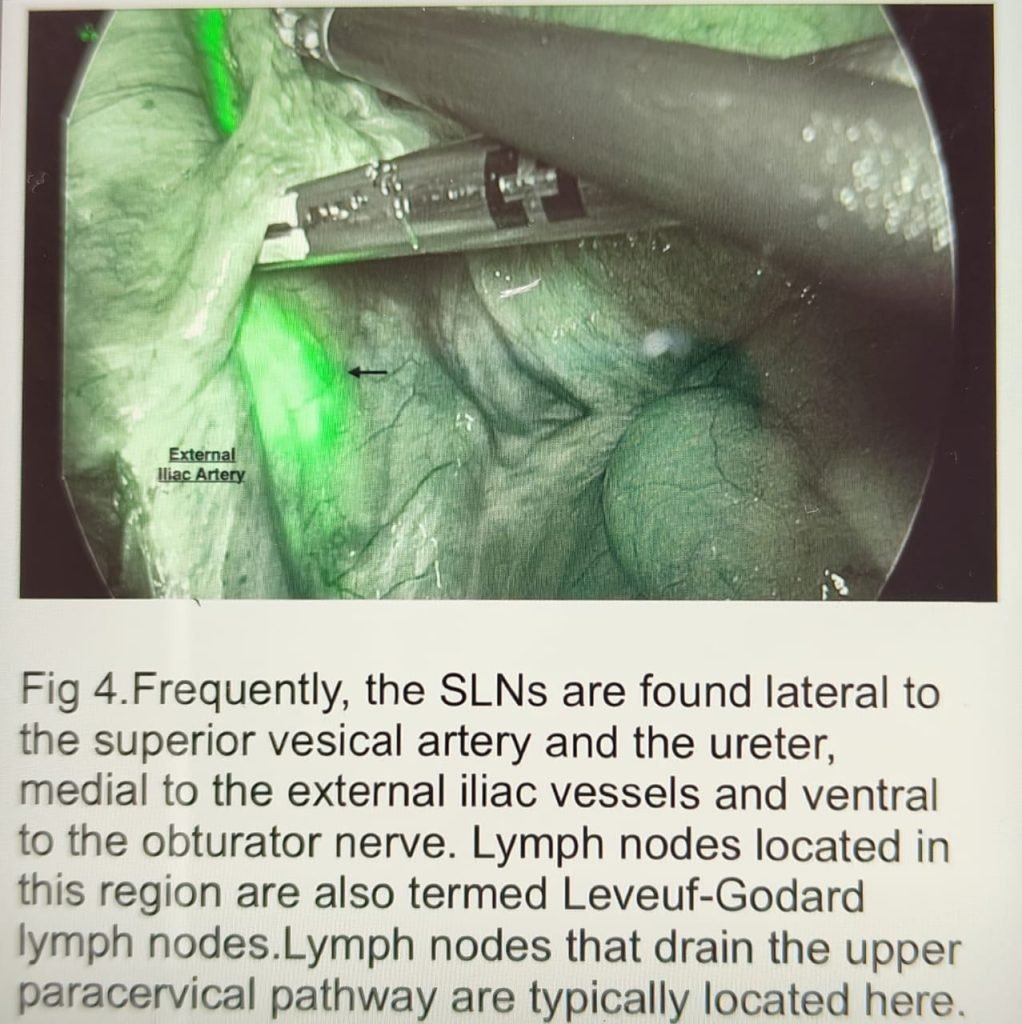
Causes for ICG Guided Cancer Surgery:
- Improved Visualization: ICG is a fluorescent dye that is administered intravenously before surgery. During the procedure, specialized cameras and imaging devices detect the fluorescence emitted by ICG, highlighting cancerous tissues that may not be easily visible under normal surgical conditions.
- Enhanced Precision: By providing real-time feedback to the surgeon, ICG guided surgery allows for more accurate delineation of tumor margins and identification of small tumor deposits that might otherwise be missed with conventional methods.
- Minimization of Residual Tumor: The precise visualization offered by ICG guidance helps ensure that all cancerous tissue is removed during surgery, reducing the risk of leaving behind residual tumor cells that could lead to recurrence.
Symptoms Addressed by ICG Guided Cancer Surgery:
ICG guided cancer surgery is particularly beneficial for tumors located in challenging anatomical locations or those that are difficult to distinguish from surrounding healthy tissue. Common cancers where ICG guidance may be utilized include:
- Breast Cancer: Enhancing the ability to identify and remove breast tumors while preserving healthy breast tissue.
- Colorectal Cancer: Facilitating the precise removal of colorectal tumors and improving outcomes for patients undergoing surgical treatment.
- Liver Cancer: Assisting surgeons in identifying and resecting liver tumors with greater accuracy and reducing the need for additional surgeries.
Risk Factors and Considerations:
- Allergic Reactions: Although rare, some individuals may experience allergic reactions to ICG. It is essential for patients to inform their healthcare providers of any known allergies before undergoing ICG guided surgery.
- Technical Challenges: While ICG guided surgery offers significant advantages, it requires specialized equipment and trained surgical teams. Patients should seek treatment at facilities experienced in utilizing ICG guidance to ensure optimal outcomes.
- Effectiveness: The effectiveness of ICG guided surgery depends on various factors, including tumor size, location, and the proficiency of the surgical team. It may not be suitable for all types or stages of cancer.