Overview
Gynecological cancers encompass a group of malignancies that affect the female reproductive system. These cancers can develop in various parts of the reproductive tract, including the cervix, ovaries, uterus, fallopian tubes, vagina, and vulva. Each type of gynecological cancer has its unique characteristics, symptoms, and risk factors. Understanding these aspects is crucial for early detection, effective treatment, and prevention.
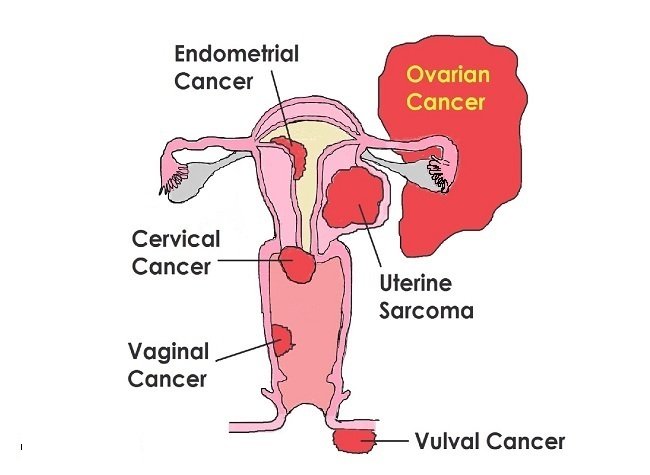
Types of Gynecological Cancers:
- Cervical Cancer: Cervical cancer originates in the cells of the cervix, the lower part of the uterus. It is often caused by persistent infection with high-risk strains of the human papillomavirus (HPV). Regular Pap smears and HPV vaccination can help detect and prevent cervical cancer.
- Ovarian Cancer: Ovarian cancer develops in the ovaries, the organs responsible for producing eggs and female hormones. Symptoms of ovarian cancer may include abdominal bloating, pelvic pain, and changes in urinary habits. Early detection of ovarian cancer is challenging, making it essential to be aware of potential symptoms and risk factors.
- Uterine (Endometrial) Cancer: Uterine cancer, also known as endometrial cancer, arises in the lining of the uterus (endometrium). It commonly affects postmenopausal women and is often characterized by abnormal vaginal bleeding. Maintaining a healthy weight, regular physical activity, and hormone therapy management can help reduce the risk of uterine cancer.
- Fallopian Tube Cancer: Fallopian tube cancer is a rare type of gynecological cancer that originates in the fallopian tubes, which connect the ovaries to the uterus. Symptoms may include abdominal pain, vaginal discharge, and pelvic masses. Due to its rarity, fallopian tube cancer is often diagnosed at an advanced stage.
- Vaginal Cancer: Vaginal cancer develops in the cells lining the vagina. It is relatively rare compared to other gynecological cancers and may cause symptoms such as abnormal vaginal bleeding, pelvic pain, and painful urination. Regular pelvic exams can aid in the early detection of vaginal cancer.
- Vulvar Cancer: Vulvar cancer affects the external genitalia, specifically the vulva. Symptoms may include itching, pain, and changes in the skin color or texture of the vulva. Risk factors for vulvar cancer include smoking, human papillomavirus (HPV) infection, and chronic skin conditions.
Symptoms and Early Detection:
Recognizing the symptoms of gynecological cancers is essential for early detection and treatment. Common symptoms may include abnormal vaginal bleeding, pelvic pain or pressure, changes in bowel or bladder habits, and unexplained weight loss. However, it’s important to note that many of these symptoms can be caused by conditions other than cancer. If you experience any persistent or concerning symptoms, it’s crucial to consult with a healthcare professional for proper evaluation and diagnosis.
Prevention and Risk Reduction:
While not all gynecological cancers can be prevented, certain lifestyle modifications and preventive measures can help reduce the risk. These include:
- Regular screenings: Regular Pap smears, HPV testing, and pelvic exams can aid in the early detection of cervical and other gynecological cancers.
- HPV vaccination: Vaccination against high-risk strains of the human papillomavirus (HPV) can significantly reduce the risk of cervical and other HPV-related cancers.
- Maintaining a healthy lifestyle: Adopting a balanced diet, engaging in regular physical activity, maintaining a healthy weight, and avoiding tobacco use can contribute to overall health and reduce the risk of certain gynecological cancers.
- Understanding family history: Knowing your family’s medical history can help identify potential genetic predispositions to gynecological cancers, allowing for proactive measures and screening recommendations.
Conclusion:
Gynecological cancers can have a significant impact on women’s health and well-being. By raising awareness, promoting regular screenings, and adopting healthy lifestyle habits, we can work towards early detection, effective treatment, and improved outcomes for individuals affected by gynecological cancers. If you have any concerns or questions about gynecological health, don’t hesitate to consult with your healthcare provider for guidance and support.