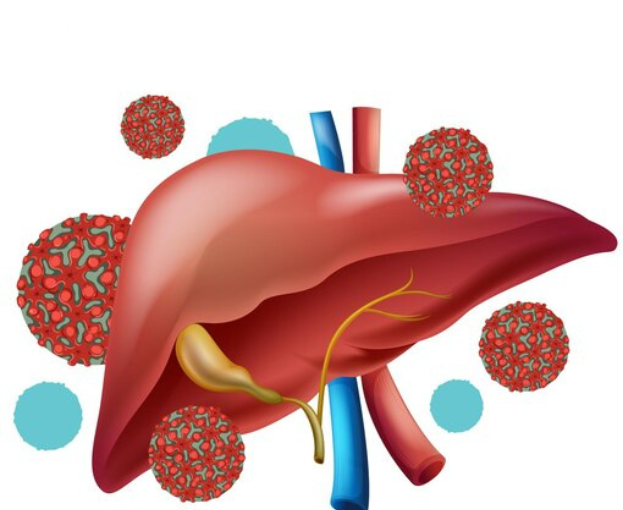
What is liver cancer?
Liver cancer originates in the cells of the liver, a football-sized organ located in the upper right part of your abdomen, beneath the diaphragm and above the stomach.
Several types of cancer can develop in the liver. The most common type is hepatocellular carcinoma, which starts in the primary liver cell known as a hepatocyte. Other, less common types of liver cancer include intrahepatic cholangiocarcinoma and hepatoblastoma.
It is more common for cancer to spread to the liver than for it to originate there. When cancer starts in another part of the body—such as the colon, lung, or breast—and then spreads to the liver, it is referred to as metastatic cancer, not liver cancer. This type of cancer is named after the original organ where it began, such as metastatic colon cancer for cancer that starts in the colon and spreads to the liver.
Symptoms
In the early stages of primary liver cancer, most people do not exhibit signs or symptoms. When symptoms do occur, they may include:
- Unintentional weight loss
- Loss of appetite
- Upper abdominal pain
- Nausea and vomiting
- General weakness and fatigue
- Abdominal swelling
- Yellowing of the skin and the whites of the eyes (jaundice)
- White, chalky stools
Causes
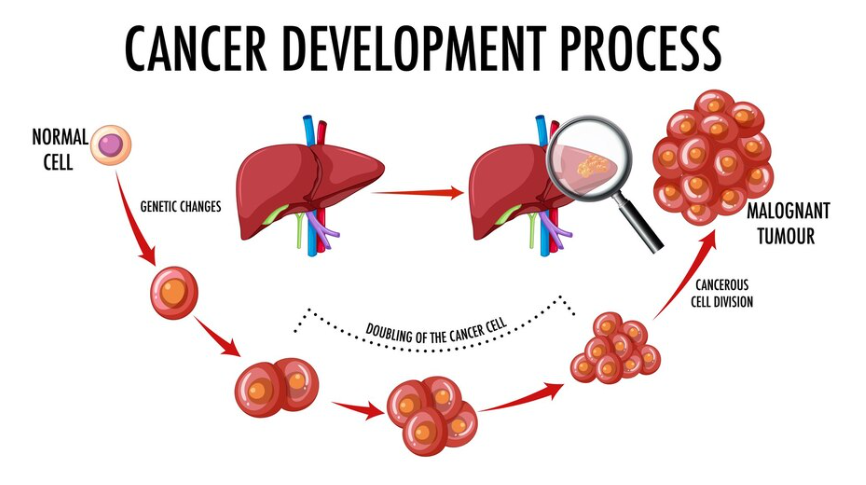
Liver cancer occurs when liver cells undergo changes (mutations) in their DNA. DNA contains the instructions for all chemical processes in the body, and mutations can alter these instructions. This can cause cells to grow uncontrollably, forming a tumor—a mass of cancerous cells.
In some cases, the cause of liver cancer is known, such as chronic hepatitis infections. However, liver cancer can also develop in individuals with no underlying diseases, and the cause is not always clear.
Risk factors
Factors that increase the risk of primary liver cancer include:
- Chronic infection with HBV or HCV: Long-term infection with hepatitis B virus (HBV) or hepatitis C virus (HCV) raises the risk of liver cancer.
- Cirrhosis: This progressive, irreversible condition leads to the formation of scar tissue in the liver, increasing the likelihood of developing liver cancer.
- Certain inherited liver diseases: Conditions such as hemochromatosis and Wilson’s disease can elevate the risk of liver cancer.
- Diabetes: Individuals with this blood sugar disorder have a higher risk of liver cancer compared to those without diabetes.
Prevention
- Reduce your risk of cirrhosis
- Get vaccinated against hepatitis B
- Take measures to prevent hepatitis C
- Seek treatment for hepatitis B or C infection
- Ask your doctor about liver cancer screening