Overview
Gallbladder cancer involves the abnormal growth of cells in the gallbladder, a small, pear-shaped organ located on the right side of your abdomen, just beneath the liver. This organ stores bile, a digestive fluid produced by the liver.
Gallbladder cancer is rare. When detected in its early stages, the likelihood of a cure is high. However, most cases are found at a late stage, resulting in a poor prognosis.
Detection of gallbladder cancer often occurs at an advanced stage because it typically does not produce specific signs or symptoms. Additionally, the gallbladder’s hidden position allows the cancer to develop unnoticed.
Symptoms
Signs and symptoms of gallbladder cancer may include:
- Abdominal pain, especially in the upper right area
- Abdominal bloating
- Unintentional weight loss
- Yellowing of the skin and eyes (jaundice)
Causes
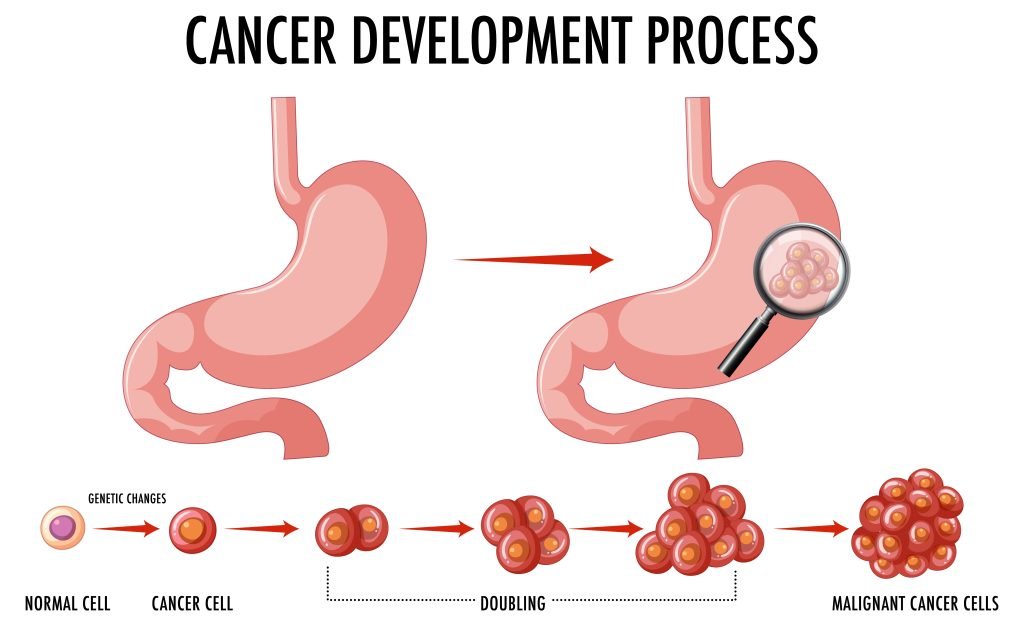
Doctors understand that gallbladder cancer develops when healthy cells in the gallbladder undergo DNA mutations. A cell’s DNA contains instructions for its function. These mutations cause the cells to grow uncontrollably and survive longer than they should, leading to the formation of a tumor. This tumor can expand beyond the gallbladder and metastasize to other parts of the body.
Most gallbladder cancers originate in the glandular cells lining the inner surface of the gallbladder. When cancer starts in these cells, it is called adenocarcinoma, which describes the appearance of the cancer cells under a microscope.
Risk factors
Factors that can increase the risk of gallbladder cancer include:
- Your sex: Gallbladder cancer is more common in women.
- Your age: The risk of gallbladder cancer increases with age.
- A history of gallstones: Gallbladder cancer is most prevalent among individuals who have or have had gallstones, with larger gallstones posing a higher risk. However, despite the commonality of gallstones, gallbladder cancer remains rare even among those affected.
- Other gallbladder diseases and conditions: Conditions such as polyps, chronic inflammation, and infections of the gallbladder can elevate the risk of developing gallbladder cancer.
- Inflammation of the bile ducts: Primary sclerosing cholangitis, a condition that causes inflammation of the bile ducts draining bile from the gallbladder and liver, increases the risk of gallbladder cancer.