Overview
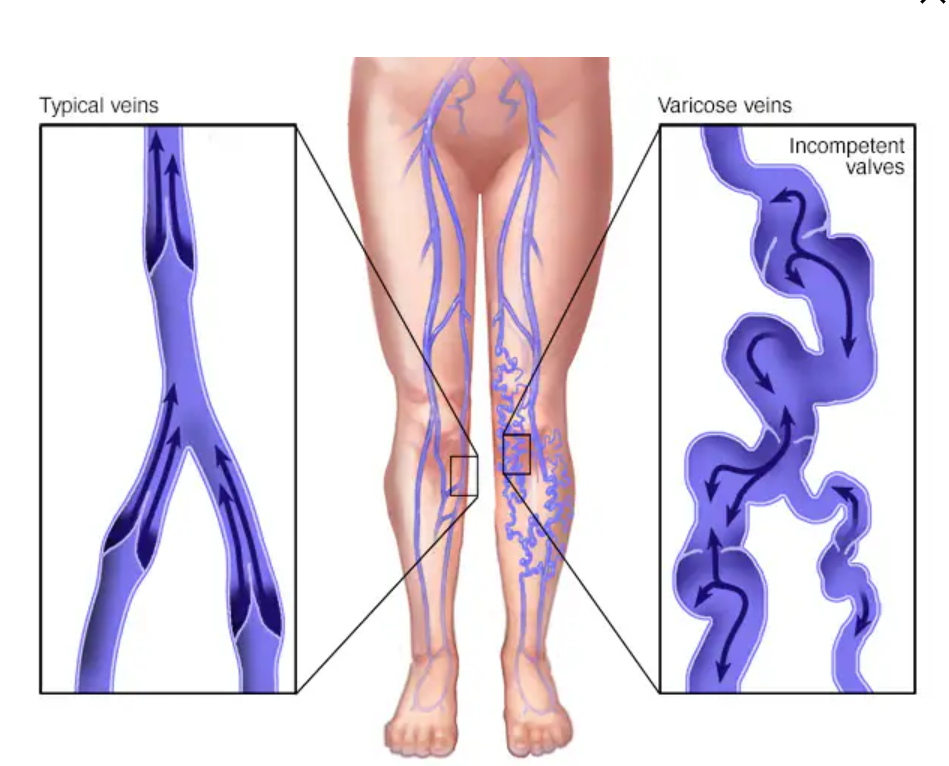
Varicose veins are enlarged veins that bulge near the skin’s surface. These veins, which typically affect the legs due to increased pressure from standing and walking, can become varicosed.
For many individuals, varicose veins and spider veins (a mild form of varicose veins) are primarily a cosmetic concern. However, varicose veins can also cause discomfort and pain, and in some cases, lead to more serious health issues.
Treatment options include lifestyle changes such as exercising, elevating legs when seated or lying down, or wearing compression stockings. Medical procedures may also be necessary to close or remove affected veins.
Symptoms
Varicose veins often present with the following symptoms:
- Visible veins: Bulging, twisted, or rope-like veins that are visible under the skin, typically in the legs.
- Discomfort: Aching, heaviness, or cramping in the legs, especially after prolonged standing or sitting.
- Swelling: Swollen ankles and feet, often worsening throughout the day or after prolonged periods of standing.
- Skin changes: Skin discoloration around the affected veins, such as a brownish or bluish tint.
- Itching or irritation: Particularly around the veins.
- Restless legs: A constant urge to move the legs, especially at night.
- Complications: In some cases, varicose veins may lead to more serious issues such as ulcers or blood clots (though these are less common).
Causes
Varicose veins can result from weakened or damaged valves. While arteries carry blood from the heart to the body, veins return blood from the body back to the heart. In the legs, veins must work against gravity to return blood to the heart.
Muscles in the lower legs contract to act as pumps, aiding blood circulation. The walls of the veins assist in pushing blood toward the heart. Valves within the veins open to allow blood flow towards the heart and close to prevent backward flow. When these valves become weak or damaged, blood may flow backward and accumulate in the veins, causing them to stretch and twist.
Risk factors
Factors that can increase the risk of varicose veins include:
- Family history: If other family members have varicose veins, there’s a higher likelihood you may develop them too.
- Obesity: Being overweight increases pressure on the veins.
- Age: As people age, the valves in the veins that regulate blood flow can weaken, allowing some blood to flow back into the veins and accumulate.
- Sex: Women are more susceptible to varicose veins. Hormonal changes, such as those during pregnancy, menstruation, or menopause, can relax vein walls and contribute to the condition. Hormone treatments like birth control pills may also heighten the risk.
- Pregnancy: The increase in blood volume during pregnancy supports the growing fetus but can also enlarge veins in the legs.
Complications
Complications of varicose veins are rare. They can include:
- Ulcers: Painful ulcers can develop on the skin near varicose veins, typically near the ankles. Discoloration of the skin often precedes ulcer formation. Promptly seek medical attention if you suspect a leg ulcer.
- Blood clots: Occasionally, deep veins in the legs can become enlarged, leading to leg pain and swelling. Persistent leg pain or swelling should be evaluated by a medical professional, as it could indicate a blood clot.
- Bleeding: In rare instances, superficial veins may rupture, causing minor bleeding. Although typically not severe, this requires medical attention.
- Leg swelling: Chronic varicose veins can result in swelling of the legs over time.
Prevention
Preventing varicose veins involves several lifestyle measures and habits:
- Regular Exercise: Engage in activities that promote circulation and strengthen leg muscles, such as walking, cycling, or swimming.
- Maintain a Healthy Weight: Avoiding obesity reduces pressure on veins and lowers the risk of varicose veins.
- Elevate Legs: Raise legs above heart level when resting to aid blood flow back to the heart.
- Avoid Prolonged Sitting or Standing: Take breaks and move around regularly to improve circulation.
- Wear Compression Stockings: These can help support veins and improve circulation in the legs.
- Healthy Diet: Consume a diet rich in high-fiber foods to prevent constipation, which can contribute to varicose veins.